What FemiCore Is
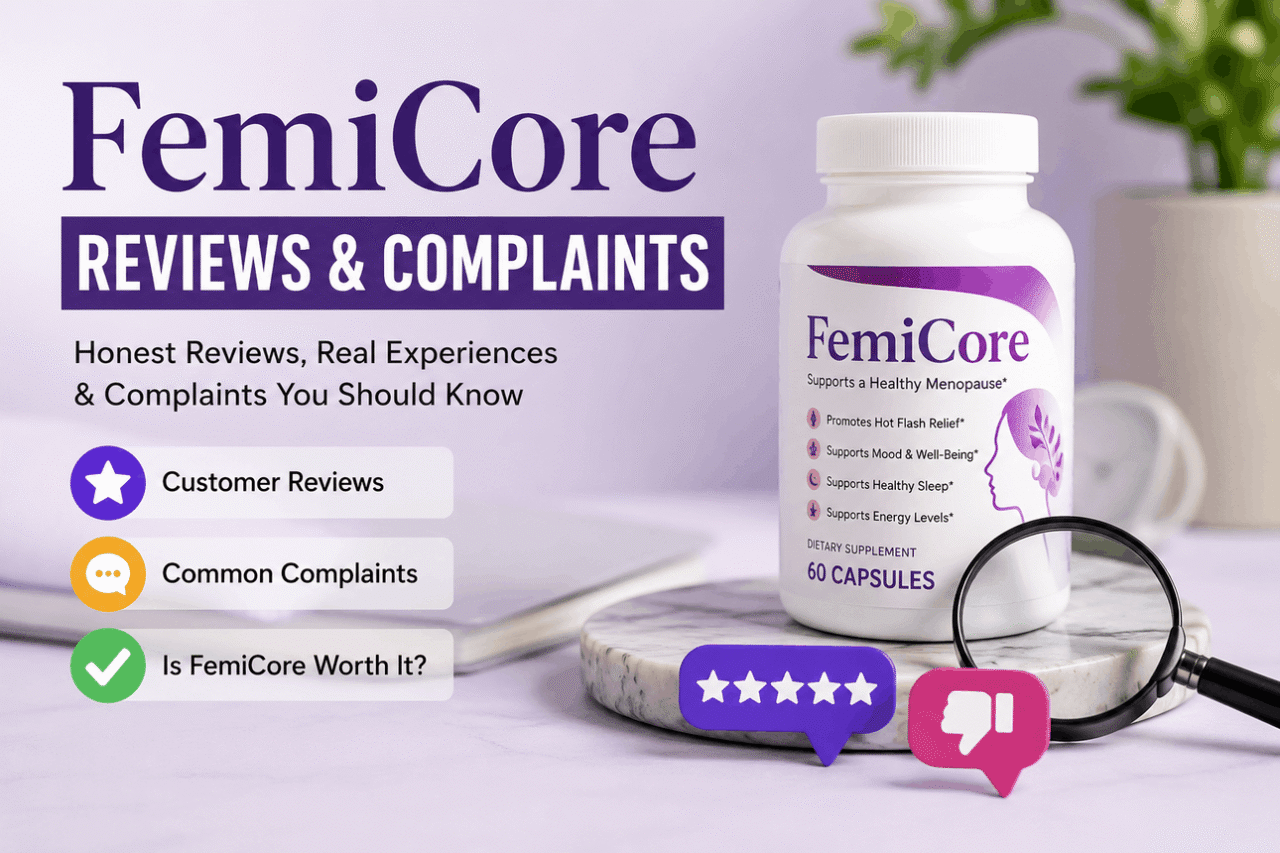
FemiCore is a dietary supplement marketed for bladder and urinary health, sold through a ClickBank-affiliate sales page. The product claims to target microbiome imbalance, which the page states is linked to involuntary muscle contractions and urine leaks. It’s positioned around three main claims: bladder control support, microbiome balance, and general urinary system health.
Important disclosure: the link provided is an affiliate tracking link (it contains a “hop” and “hopId” parameter), meaning anyone clicking through and buying generates a commission for whoever shared it. This is standard for supplement marketing funnels, but it’s worth knowing going in.
Listed Ingredients
The page lists a proprietary blend including:
- Mimosa Pudica
- Bearberry
- Cranberry Extract
- Granular Berberine
- Lactobacillus Crispatus
- Lactobacillus Acidophilus
- Lactobacillus Plantarum
- Lactobacillus Gasseri
- Lactobacillus Casei
No specific dosages per ingredient are disclosed on the page — it’s described only as an “optimally dosed proprietary blend,” which is common in supplement marketing but means you can’t independently verify how much of each ingredient you’re actually getting.
Pricing Structure
The page uses a tiered bulk-discount model, a very common ecommerce/supplement funnel tactic:
| Package | Price (per page) | Shipping |
|---|---|---|
| 2 bottles (Basic) | $79/bottle | +$9.99 shipping |
| 2+1 bottles (Most Popular) | $69/bottle | Free shipping |
| 3+3 bottles (Best Value) | $49/bottle | Free shipping |
The page also claims a 60-day guarantee period (referenced via badge images) and states 96% of customers choose the 6-bottle option — though no independent source for that statistic is given; it’s a self-reported marketing claim.
“Free Bonuses” (with 6-bottle purchase only)
- A relationship/marriage guide (listed retail value $199)
- A digestion/gut-reset guide ($397)
- A hip and leg mobility guide ($197)
These bonus values are set by the seller, not by any third party, which is typical for making a bundle look like a bigger discount than it may actually be.
FAQs
Do bladder-control supplements actually work?
It depends on the ingredient and the cause of the problem. Some ingredients have real research behind them for specific issues — cranberry extract for reducing UTI recurrence, for example — but “bladder control” covers a lot of different conditions (urge incontinence, stress incontinence, overactive bladder, UTIs), and no single supplement addresses all of them. Results vary a lot person to person, and supplements generally work more modestly than prescription treatments or pelvic floor therapy.
What’s the difference between an overactive bladder and incontinence?
An overactive bladder is a sudden, hard-to-control urge to urinate, sometimes with frequent trips to the bathroom. Incontinence is the actual leaking of urine, which can happen with or without that urge — for example, stress incontinence happens with coughing, laughing, or exercise, from weakened pelvic floor muscles rather than bladder signaling issues. They’re related but not the same thing, and the right approach differs depending on which one you have.
Are probiotics actually useful for urinary health?
Some strains, particularly certain Lactobacillus species, have been studied for supporting vaginal and urinary microbiome balance, which can play a role in preventing recurrent UTIs. That said, strain matters a lot — not all probiotics behave the same way, and much of this research is still developing rather than settled.
Can supplements replace pelvic floor exercises (Kegels)?
No. For stress incontinence especially, pelvic floor muscle training has stronger, more consistent evidence behind it than any supplement. Supplements might be a reasonable complement, but they’re not a substitute for exercises a doctor or pelvic floor physical therapist would recommend.
Is it safe to combine multiple herbal ingredients in one product?
Not automatically. Blends combining several herbs (like bearberry, berberine, and mimosa pudica) haven’t necessarily been tested together, even if each has individual research. Bearberry, for instance, isn’t usually recommended for long-term daily use due to potential liver and kidney strain at high doses. Mixing several active ingredients increases the chance of an interaction, especially with existing medications.
How long does it typically take to notice a difference?
For most supplements, manufacturers suggest 4–8 weeks of consistent use before evaluating effects, since ingredients like probiotics need time to build up. If a page promises fast, dramatic results, treat that as a marketing claim rather than a realistic expectation.
When should I see a doctor instead of trying a supplement?
Sooner rather than later if you’re experiencing: blood in urine, pain during urination, fever, sudden onset of symptoms, or leakage that’s affecting daily life. These can signal infections, kidney issues, or other conditions supplements won’t treat. Incontinence is also sometimes a sign of an underlying issue (nerve damage, prolapse, diabetes) that needs proper diagnosis, not just symptom management.
Are “natural” or “non-GMO” supplements automatically safer?
No. “Natural” doesn’t mean risk-free — many potent, even dangerous, compounds are plant-derived. It also doesn’t mean a product has been through the same safety and efficacy testing as an FDA-approved medication. These labels are marketing terms more than clinical ones.
How do I know if a supplement brand is reputable?
Look for third-party lab testing (like NSF or USP certification), clear ingredient dosing rather than “proprietary blends,” transparent sourcing, and a company that doesn’t rely heavily on urgency tactics or unverifiable testimonials to sell.